
小泉 遼 「中心をどこに置くか」
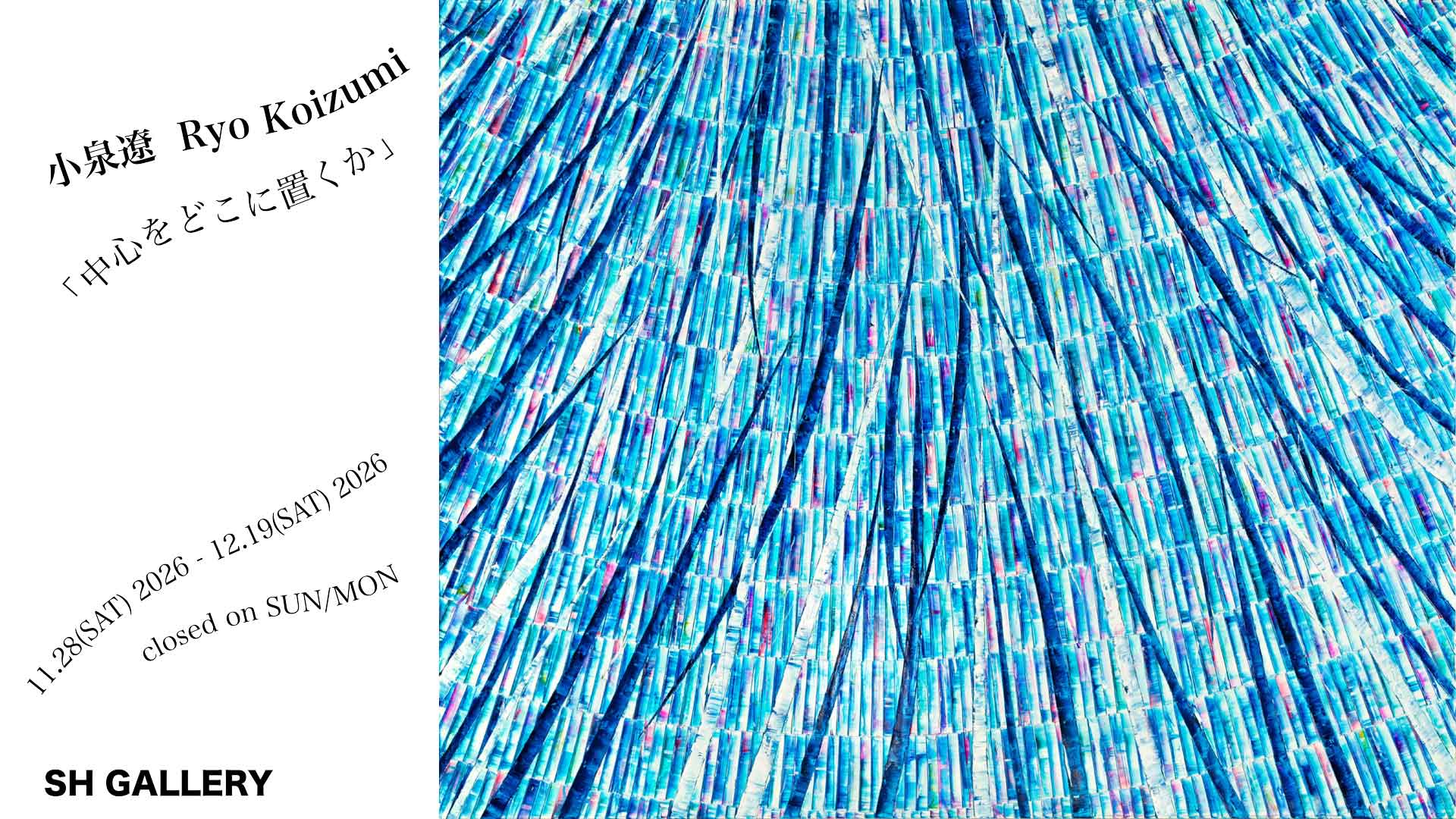
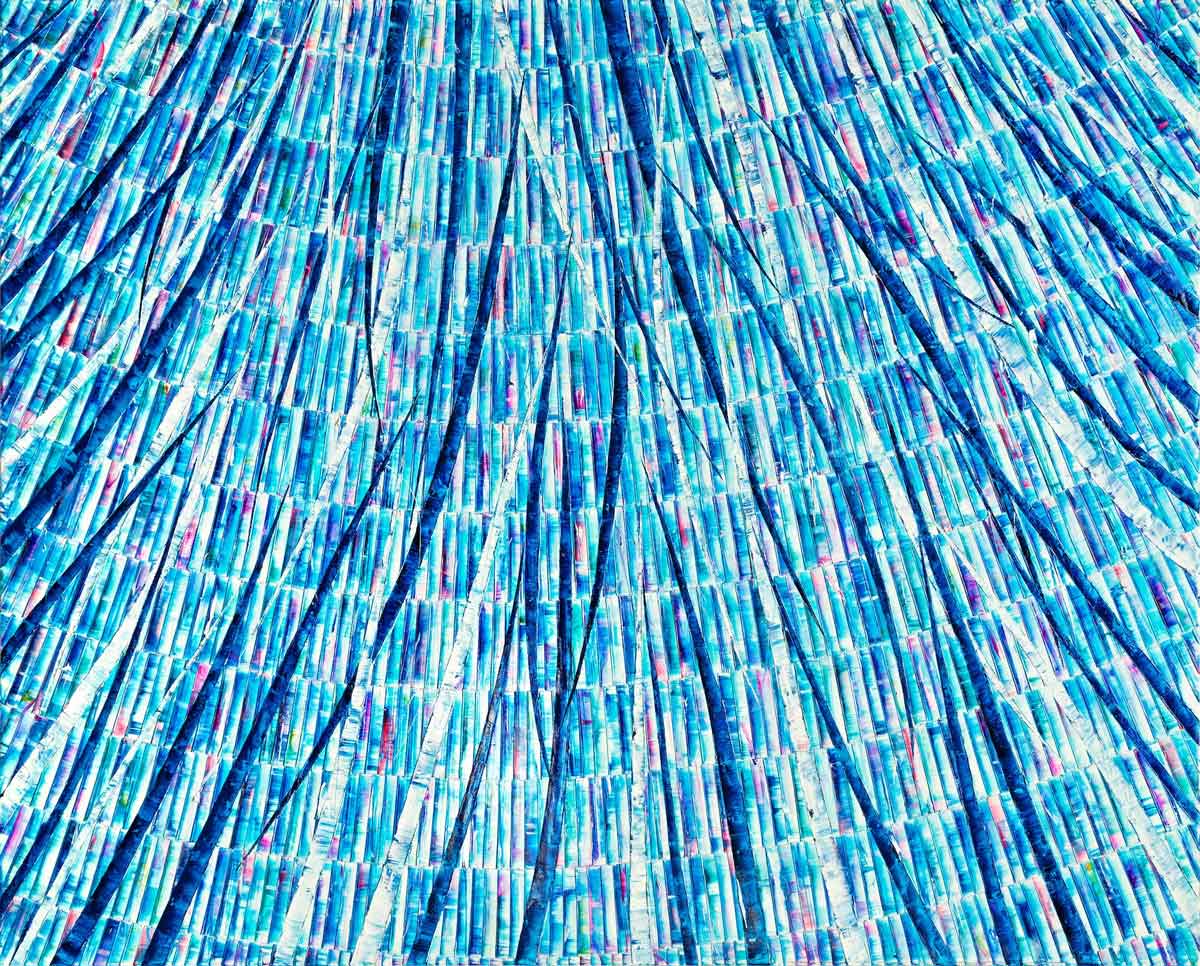
小泉遼, Halo #10552026920, 2026, Oil on Canvas, 162 x 130.3 cm
小泉遼「中心をどこに置くか」
2026.11.28 (SAT) – 12.19 (SAT)
12:00-19:00
closed on Sunday and Monday
SH GALLERYでは、小泉遼の個展「中心をどこに置くか」を開催いたします。
本展では、小泉が継続して制作している「Halo」「enso」「Fragment」シリーズの新たな展開をご覧いただけます。
“ 私は、円環構造を持つ絵画を制作している。「enso」において円の中心は反復の起点であり、「Halo」においては光源にもあたる。
これまでの作品の多くは、円の中心をキャンバスの内側に置いてきたが、その位置をキャンバスの外側へと移すことで、円の中心とキャンバスとの関係が変わり、画面の構図や周囲の空間との関係性も変わると考えた。
中心がキャンバスの外側にあるとき、私たちの視線は画面の内部にとどまらず、その中心があると想定される場所へと向かう。そして、中心からキャンバスまでの何も描かれていない空間も作品の一部として感じることができる。
一方、中心がキャンバスの内側にある場合では、内側から周囲の空間へと関係が生じていることに気づく。
私は、キャンバスにペイントする際、身体性を伴う反復プロセスを通して、自分自身の存在を投影するものとして捉えている。それに対し、金属、石、木材といった、自分とは異なる性質や時間性を持つ素材を作品に取り入れることで、他者的な存在との関係が生じる。
中心をずらすこと、そして異なる存在を取り入れることを通して、私は絵画とその周辺空間、自身と他者との関係を探っている。
中心をどこに置くかによって、どのような関係が生まれるのか。本展は、それらについて考える試みである。”
– 小泉 遼 –
皆様のご来廊を心よりお待ちしております。
SH GALLERY is pleased to present Where to Place the Center, a solo exhibition by Ryo Koizumi.
The exhibition explores new developments in Koizumi’s ongoing series, Halo, enso, and Fragment.
“I create paintings with circular structures. In enso, the center of the circle serves as the starting point of repetition, while in Halo, it also functions as a source of light.
In many of my previous works, the center of the circle has been positioned within the canvas. I began to consider how moving it outside the canvas might change the relationship between the center and the canvas, as well as transform the composition of the painting and its relationship with the surrounding space.
When the center lies outside of the canvas, our gaze is no longer remains to the surface of the painting but moves toward the location of where center is assumed to be. The unpainted space between the center and the canvas can then also be perceived as part of the work.
Conversely, when the center lies within the canvas, we become aware of how a relationship extends from the interior toward the surrounding space.
When painting on canvas, I regard the repetitive process, accompanied by physical movement, as a means of projecting my own presence. In contrast, by incorporating materials such as metal, stone, and wood, each possessing qualities and temporalities different from my own, a relationship emerges with something that exists as an other.
Through shifting the center and incorporating different forms of existence, I explore the relationships between painting and its surrounding space, as well as between myself and the other.
What kinds of relationships emerge depending on where the center is placed? This exhibition is an attempt to explore these questions.”
— Ryo Koizumi
We look forward to welcoming you to the gallery.
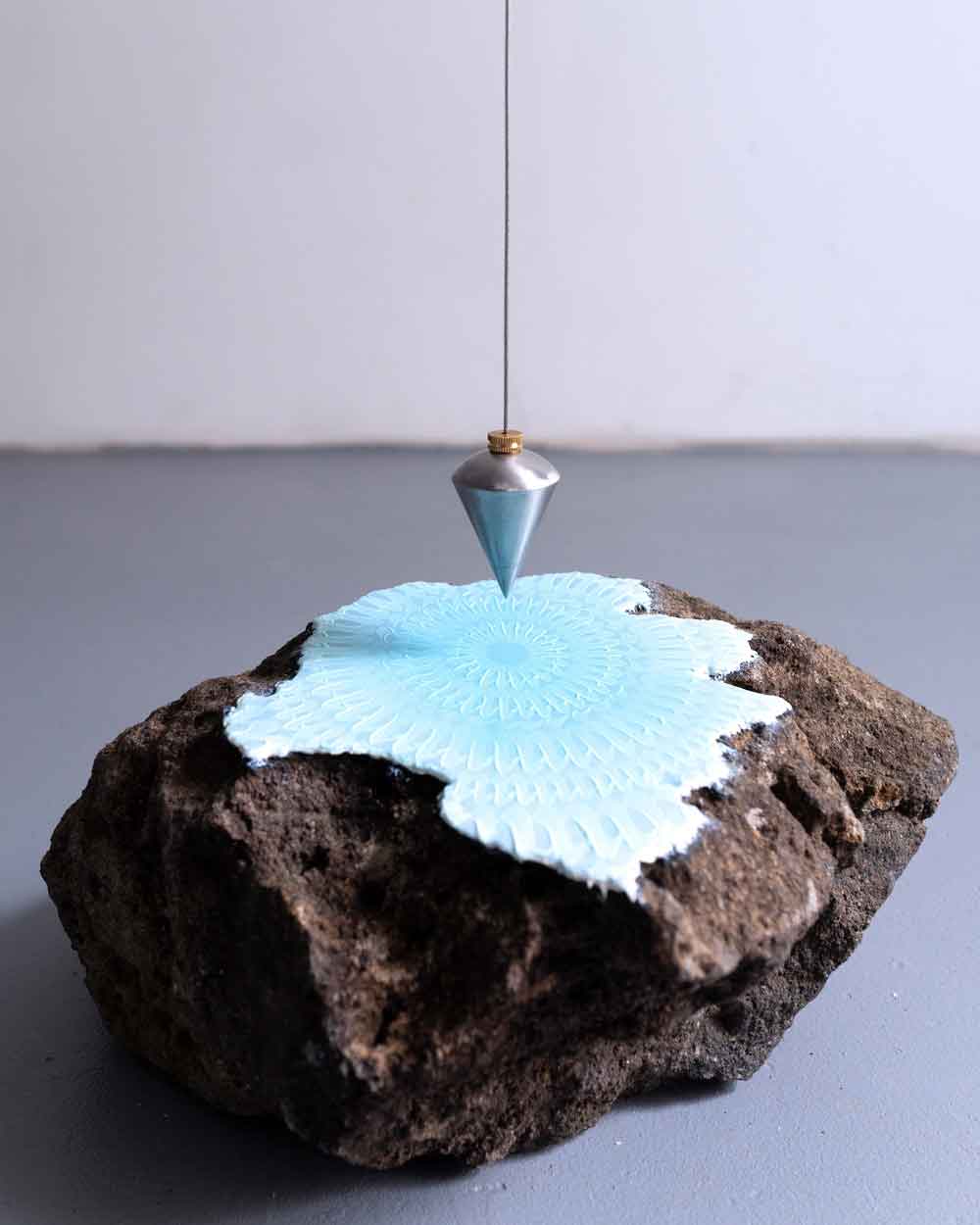
小泉遼, enso #20420261021, 2026, Oil on Stone(andesite),iron,wire, 320 x 240 x160mm (stone)
Artwork list
作品に関してのお問い合わせは、お気軽に info@shartproject.com にてご連絡下さいませ。
Click below for full artwork list. For any inquiries about the artworks please contact us by e-mail at info@shartproject.com
作家在廊のお知らせ
Artist in Attendance
2026.11.28 (SAT) 12:00-19:00
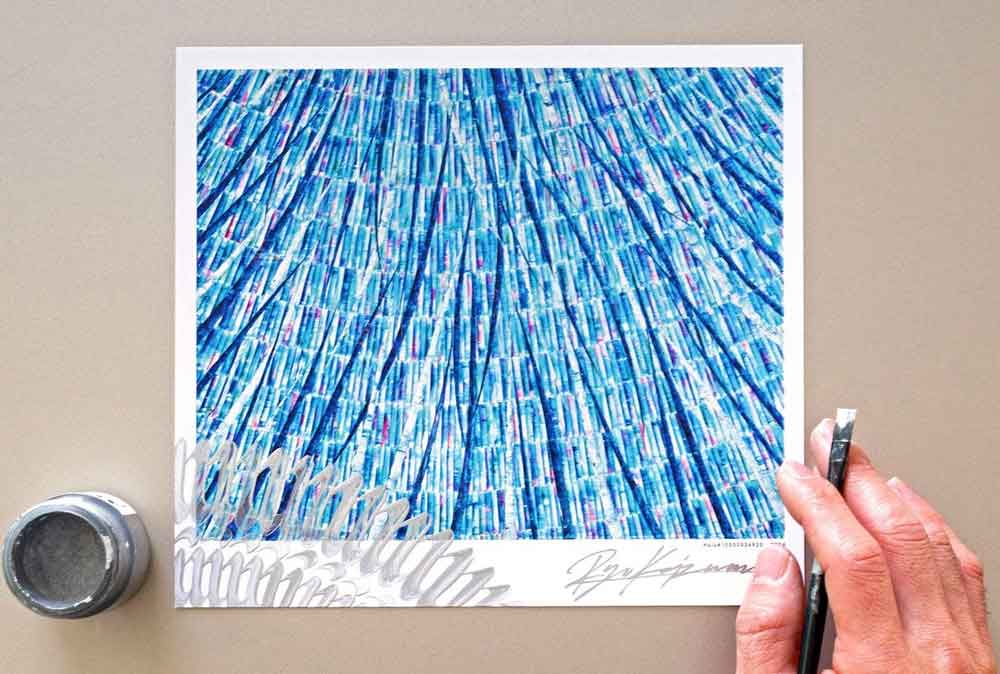
本展の初日である、11月28日(土)に作家・小泉遼が在廊いたします。
当日は、本展に向けて特別に制作したオリジナルポスター(A4サイズ)に、作家本人が直接ドローイングとサインを施したものを、皆さまにお渡しいたします。
なお、ポスターは数量限定のため、なくなり次第終了とさせていただきます。あらかじめご了承ください。
作家と直接お話しいただける貴重な機会となっておりますので、ぜひこの機会にご来廊くださいませ。
【作家在廊日時】
2026年11月28日(土) 12:00〜19:00
Artist Ryo Koizumi will be present at SH GALLERY on the opening day of the exhibition, Saturday, November 28.
On the day of the event, guests will receive an original A4-sized poster specially created for this exhibition, featuring a unique drawing and signature by the artist himself. Please note that the posters are available in limited quantities and will be distributed on a first-come, first-served basis until they run out.
As it is a rare opportunity to meet and speak directly with the artist, we warmly invite you to visit the gallery and join us for this special occasion.
[Artist in Attendance]
Saturday, November 28, 2026
12:00–19:00
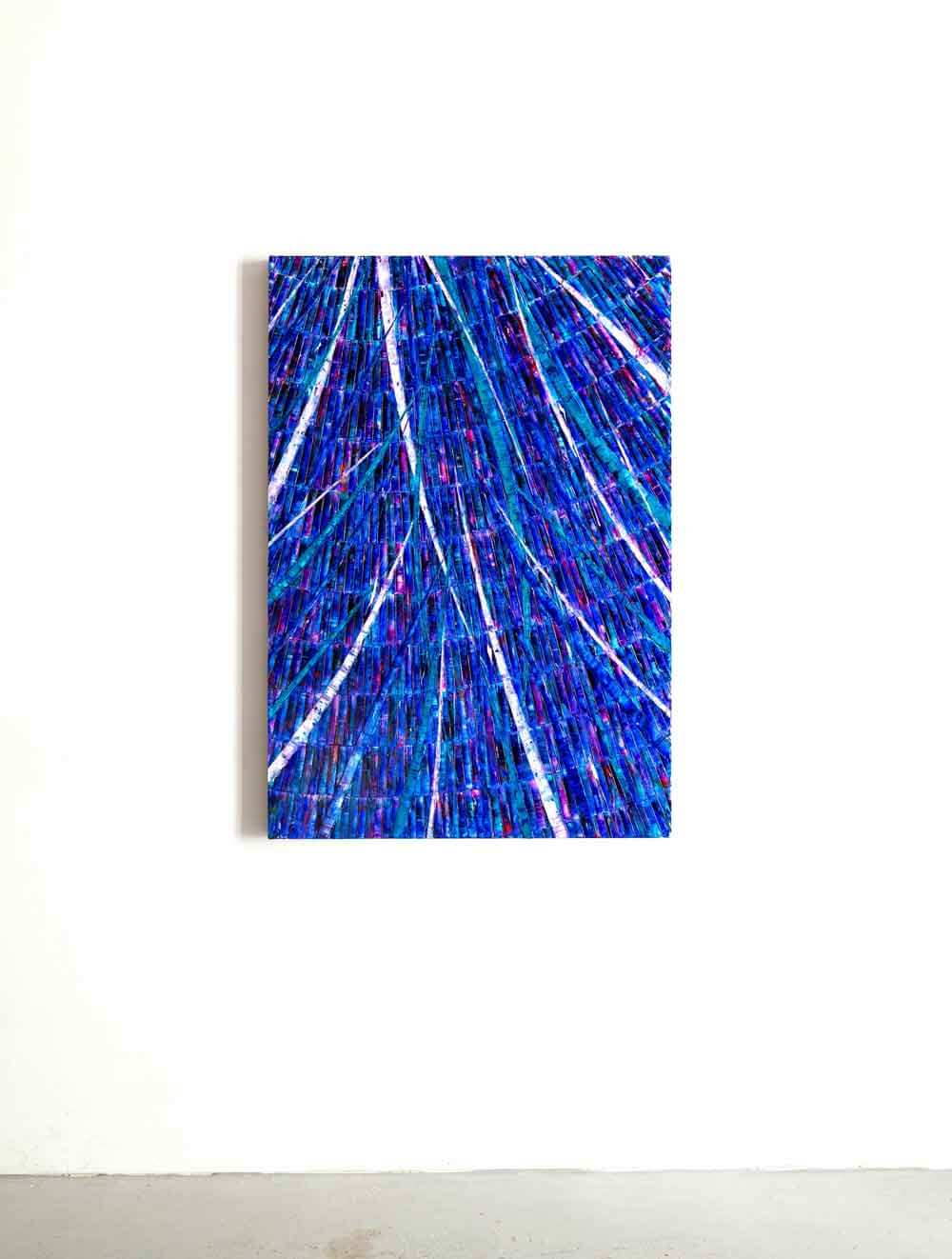
小泉遼, enso #20420261021, 2026, Oil on canvas, 116.7 x 80.3 cm
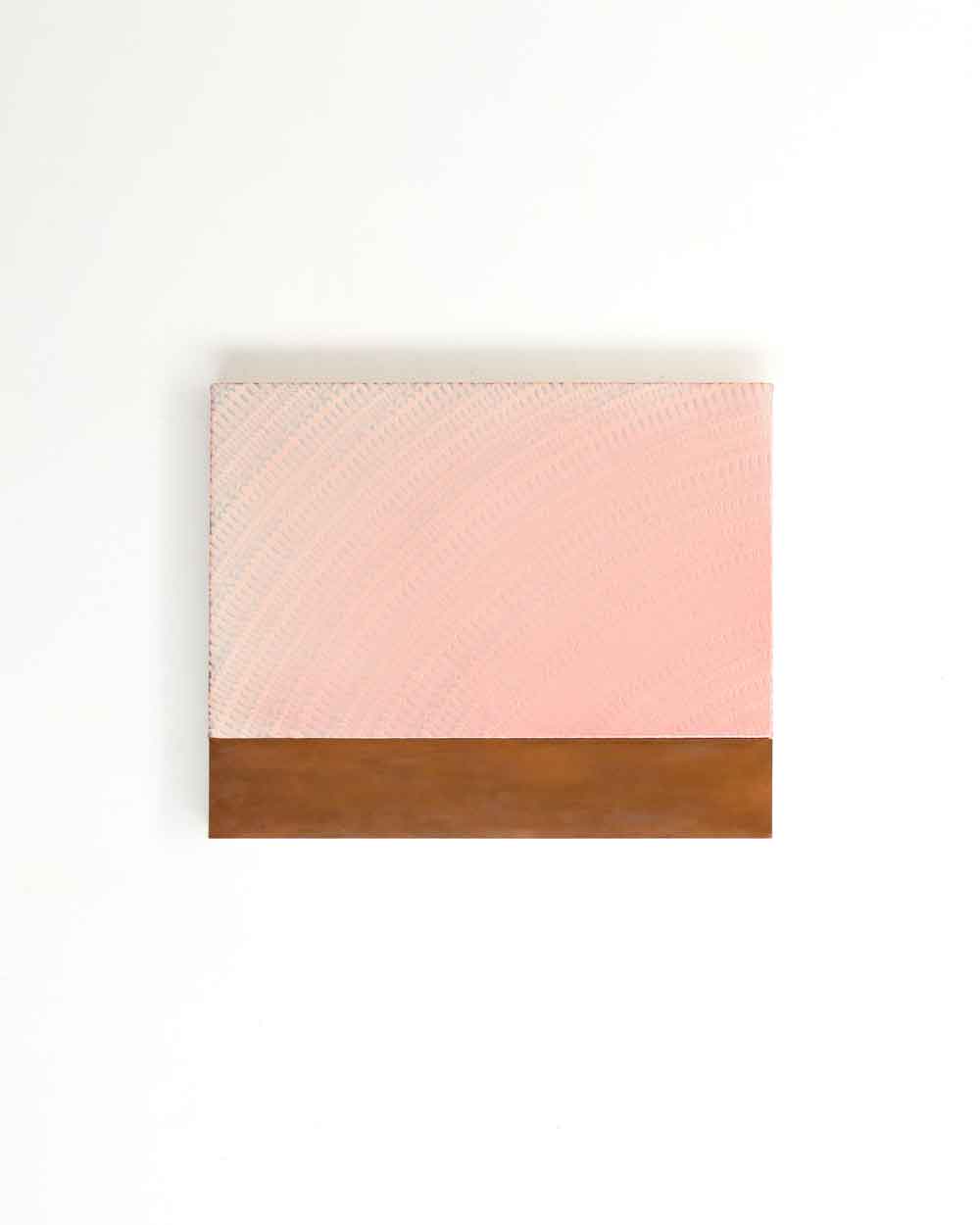
小泉遼, enso #14742026109, 2026, Oil on canvas, 600 x 480 mm
Ryo Koizumi
1985, Japanese
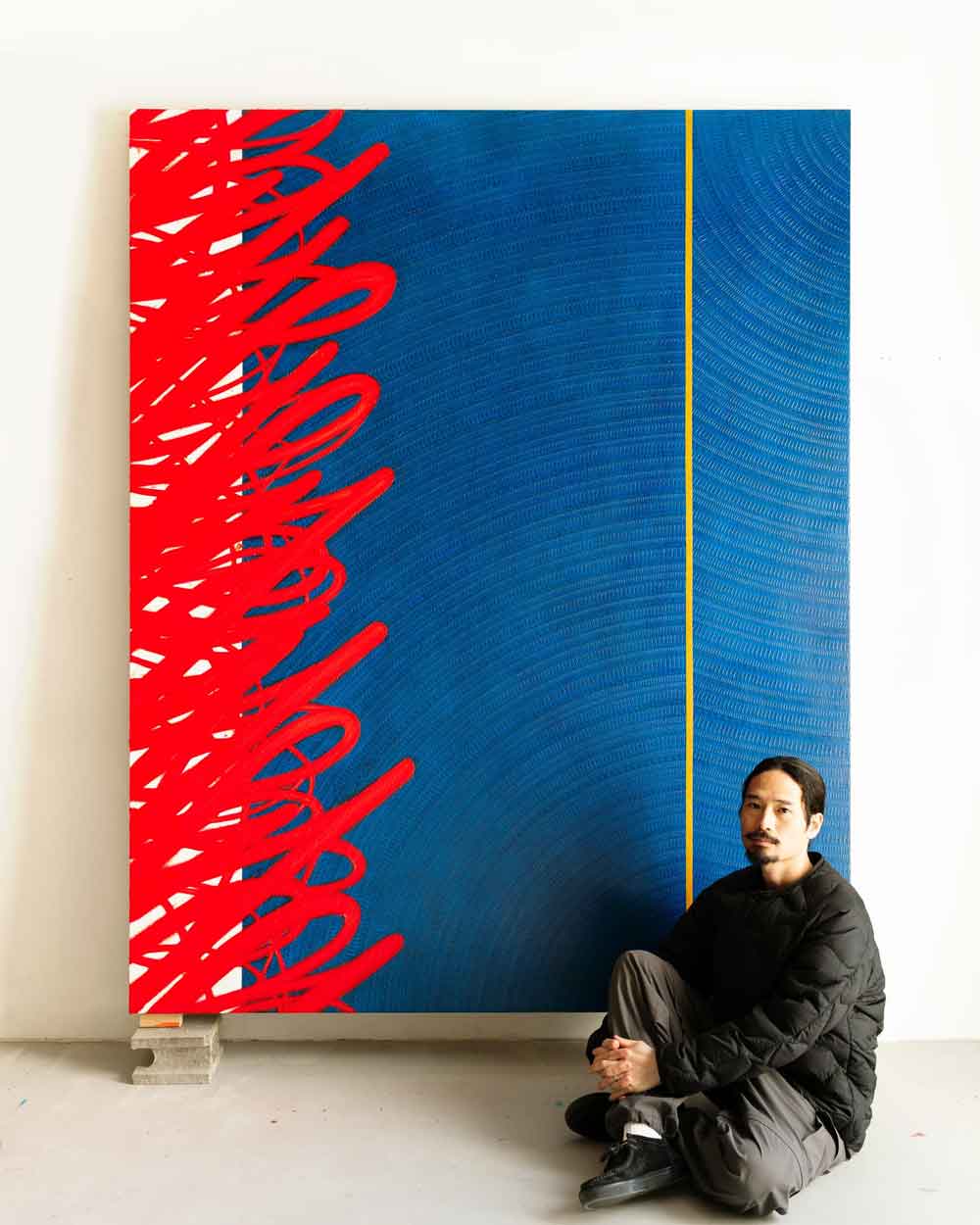
◼︎PROFILE:
小泉は、東洋思想、特に禅からの影響を大きく受け、油絵の具を用いて作品を制作している。身体的な反復の中で内省を深め、自己の存在と向き合うという禅的行為を通して、存在、光、多義性、他者との関係性を探求する。
活動初期から取り組んでいる「enso」シリーズは、他のシリーズの原型ともなる最も根源的な作品である。庭、東洋思想、哲学、カリグラフィーなどの要素を取り入れ、一筆一筆の行為を通して自身の存在を投影している。
色彩を探求し、光を主題とする「Halo」シリーズでは、光を絵画という物質的な場にとどめることで、存在の確かさと揺らぎが同時に立ち現れる場をつくり出している。
動と静、衝動と秩序、身体性と構造性、ストリートと美術、西洋と東洋といった対立や矛盾を内包する「locus」シリーズでは、多義的な意味が表現されている。
“私”という存在の痕跡として描かれたキャンバスに対し、木材・金属・石といった素材が異なる時間軸の中で形成された他者として位置づけられる「Fragment」シリーズでは、自己が他者との関係性のなかで立ち現れていく様子が示されている。
「Resonant Field」シリーズにおける身体を伴う反復により一筆一筆線を描く行為は、内省を深め自己の存在と向き合う過程となり、禅の修行にも通じる。円環構造の中で反復される筆致は差異を生じつつ時間の痕跡として蓄積し、緊張と静的な力を帯びる。場に立ち現れる力と間、自己と他者の関係において共鳴する作品の中では、存在は固定されず、関係性の中で揺らぎ続ける。
Koizumi’s practice is deeply informed by Eastern thought—specifically the principles of Zen. Through the Zen-like discipline of physical repetition and rigorous introspection, he explores the essence of existence, light, ambiguity, and the intricate dynamics of the “Other.”
The enso series, a cornerstone of his practice since its inception, serves as the fundamental archetype for his entire body of work. By weaving together elements of landscape gardens, Eastern thought, philosophy, and calligraphy, Koizumi projects his very being into every individual stroke.
In the Halo series, where light is the central protagonist, he captures luminosity within the material realm of the canvas. This creates a space where the permanence of existence and its inherent instability coexist in a delicate, visual tension.
Through the locus series, the binary and contradictory elements are encompassed: movement and stillness, impulse and order, physicality and structure, the street and fine art, Western and Eastern perspectives.
In Fragment, the canvas acts as a trace of the “Self,” juxtaposed against materials such as wood, metal, and stone—elements that exist as “Others” shaped by distinct timelines. This series illustrates the emergence of the self through its relationship with the external world.
The act of repetitive physical line-making movement in the Resonant Field series is a meditative process and internal reflection, akin to Zen practice. Each stroke, repeated within a circular structure, accumulates as a temporal trace accompanied by slight differences, imbuing the work with a quiet, static power. In this resonance between self and other, existence remains fluid—never fixed, but constantly fluctuating within a field of relations.
